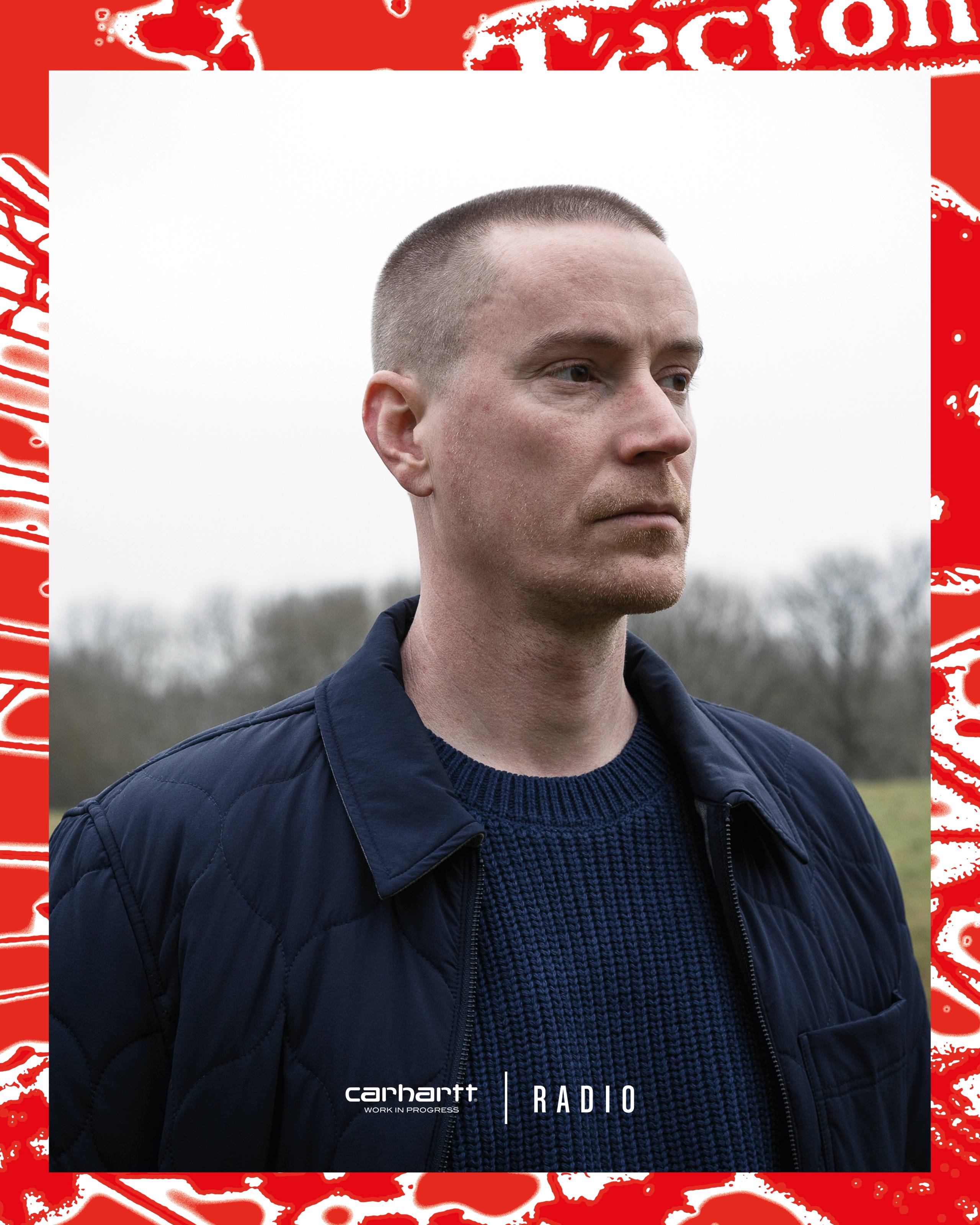
Artist Feature: Pinch/Tectonic
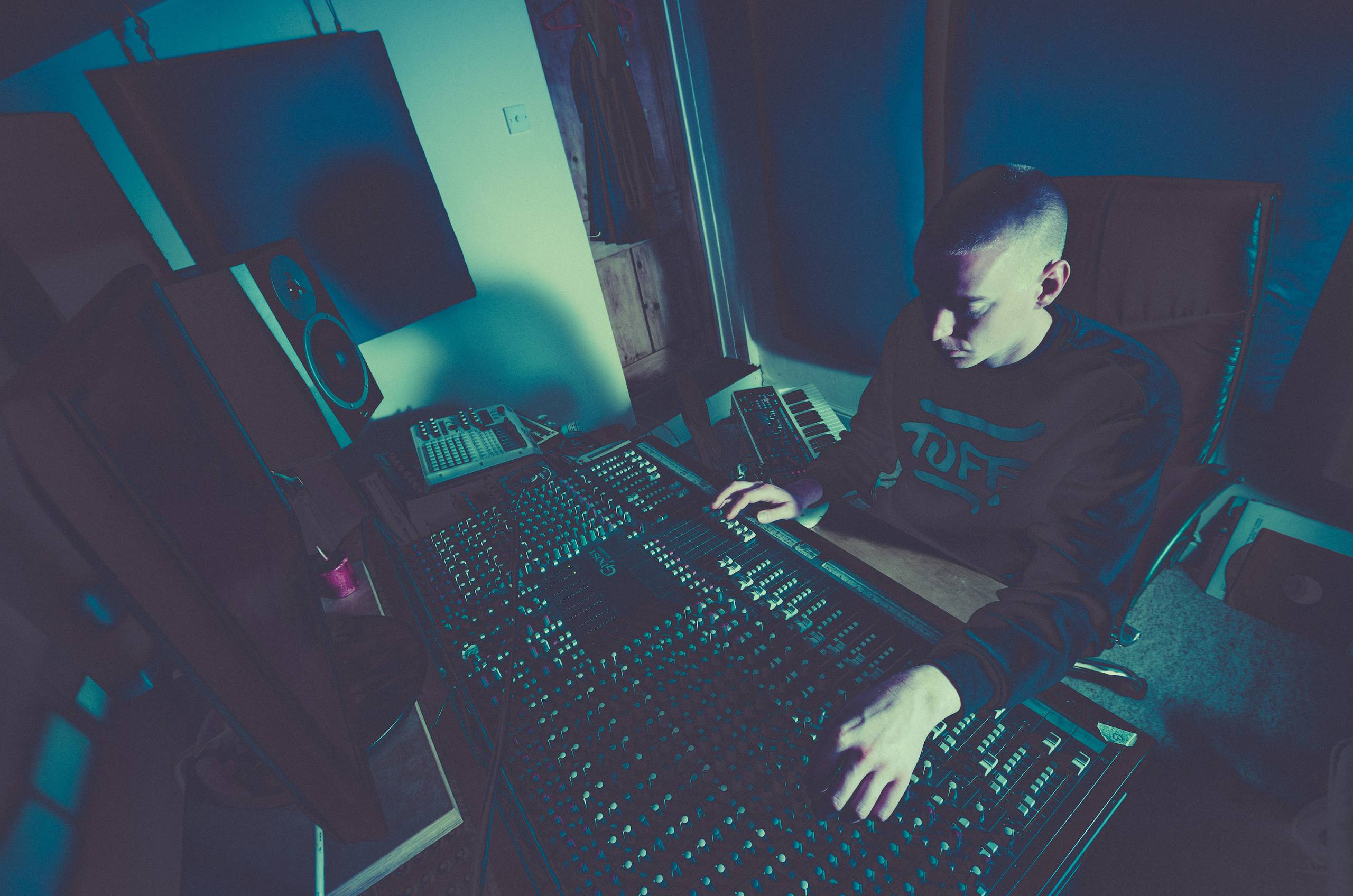
“Invest in the community around you and make sure you enjoy whatever journey you choose to go on with it all,” says Rob Ellis, better known as Bristol-based producer, DJ, and label founder, Pinch. “Otherwise there's no point in doing it.”
It’s sound advice that underpins Ellis’ own career and the enduring success of his label Tectonic, which celebrated its 20th anniversary earlier this year. When the label launched in 2005, it was one of few imprints that truly pioneered dubstep releases at the time, influenced by Ellis’ pilgrimages to London’s now-defunct FWD>> nights, which platformed underground UK bass music and hosted the likes of Mala, Kode9, Benga, Coki, and Ramadanman. Tectonic’s base in Bristol, where Pinch has lived since the late 90s, was no coincidence either, emerging from a city renowned for its creative communities and music scene, with deep roots in reggae, trip-hop, and jungle.
Tectonic’s first release was Pinch’s own 12", titled “Alien Tongue / War Dub” featuring producer P Dutty. From there, Pinch would go on to release his solo debut in 2007 on the label, titled Underwater Dancehall, and later, Reality Tunnels in 2020. Meanwhile, the label would continue to release records from a slew of artists such as Peverlist, Loefah, Skream, Photek, Shed, and Mumdance & Logos. Over time, Tectonic’s sound has evolved from its dubstep roots towards the fringes, from breakcore and bass to experimental techno.
To close out the year, Pinch has created a mix for this month’s show tracing Tectonic’s back catalogs, sharing past tracks alongside the present – from the likes of Joker, Roska, 2562, Fjaak, and Beatrice M. – with a few special mash-ups along the way. As ever, the mix is accompanied by an interview with Ellis, who reflects on the creative benefits of collaboration, the renewed interest in the meditative side of dubstep, and the lessons behind running an underground label for two decades.
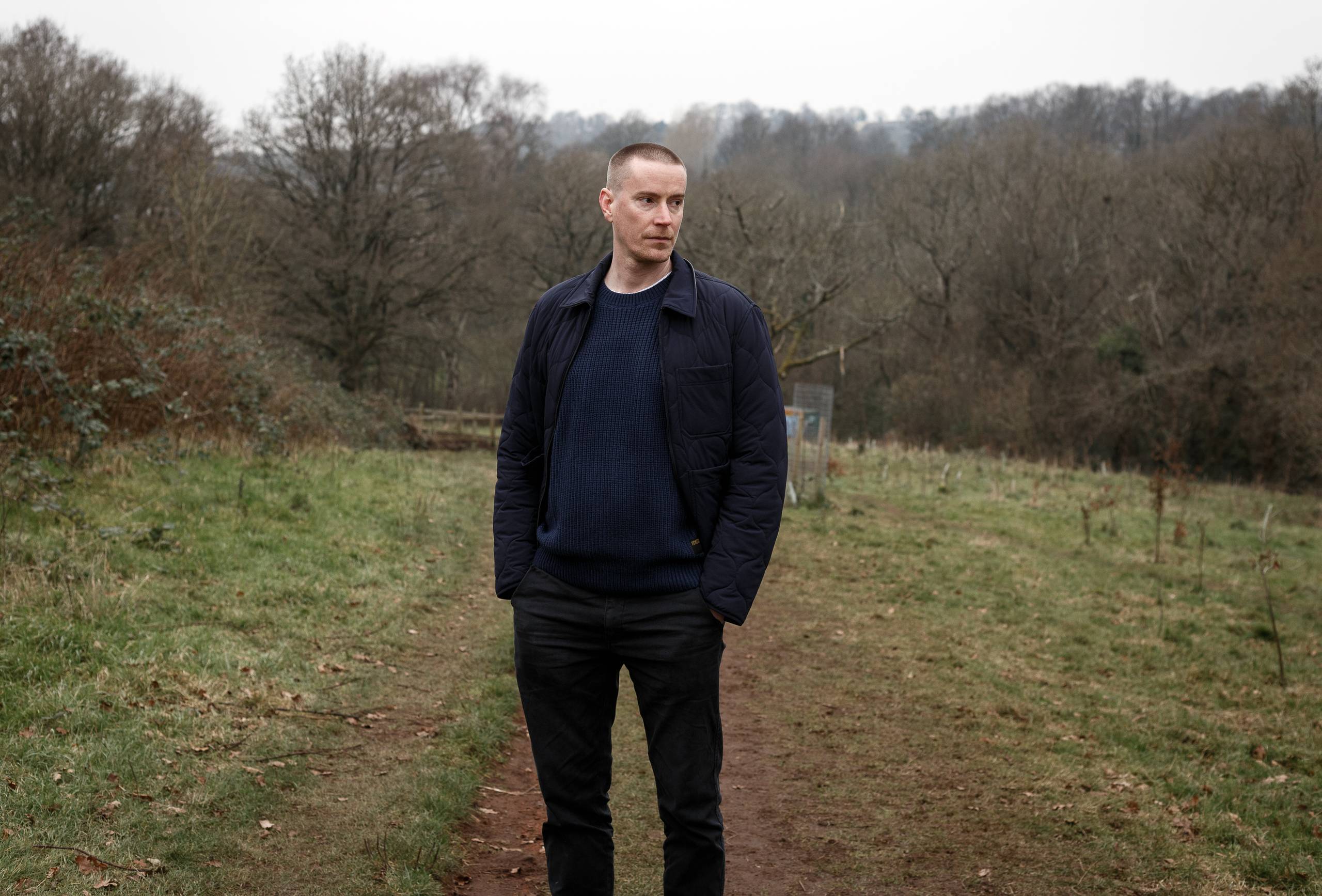
Your sound has been difficult to pigeonhole, weaving through dubstep, dub, techno, world music, reggae and experimental electronics. How would you describe the core philosophy that ties your work as a producer together?
Pinch: I've always focused on making music for myself primarily, making music that I'd want to listen to myself – that's always been at the core of my mission. I also want to 'feel' something from a track, and I like to bring a sense of cinematic depth and spaciousness around a backbone of percussive integrity.
The Bristol sound and community have been a huge part of your story. How did the city’s creative scene shape your development as an artist?
Pinch: Although I wasn't born in Bristol, it's been the only place I've ever lived that really feels like home, and I've been here since 1998. There are many musical communities in Bristol that overlap – it's a deeply creative city so there's lots of reasons to continue feeling inspired here. It's also not such a big city, so you have more chances of getting to know the people operating here. You can go to pubs in Bristol with better soundsystems and DJs than you'll find in many nightclubs in most other UK cities. I think that says a lot!
Your collaborations with artists like Adrian Sherwood and Shackleton have received widespread critical acclaim. What is it about the collaborative process that you find so creatively fulfilling?
Pinch: I've always enjoyed working with other people, as it helps me focus on a project and I love finding that shared sonic space with a collaborator – where both your interests meet and overlap. Working with Adrian, for example, created the possibility of reaching for the outer limits of analog dubwise explorations in a way that I love, but wouldn't have been able to pull off by myself. And I brought a beats-and-bass production angle that he wouldn't have been able to do by himself. We both have musical tastes that are different but there’s a lot that crosses over. By digging into a sonic space that we both enjoy, we were able to create within that world and bring it alive. Build on it with more productions. I love that.
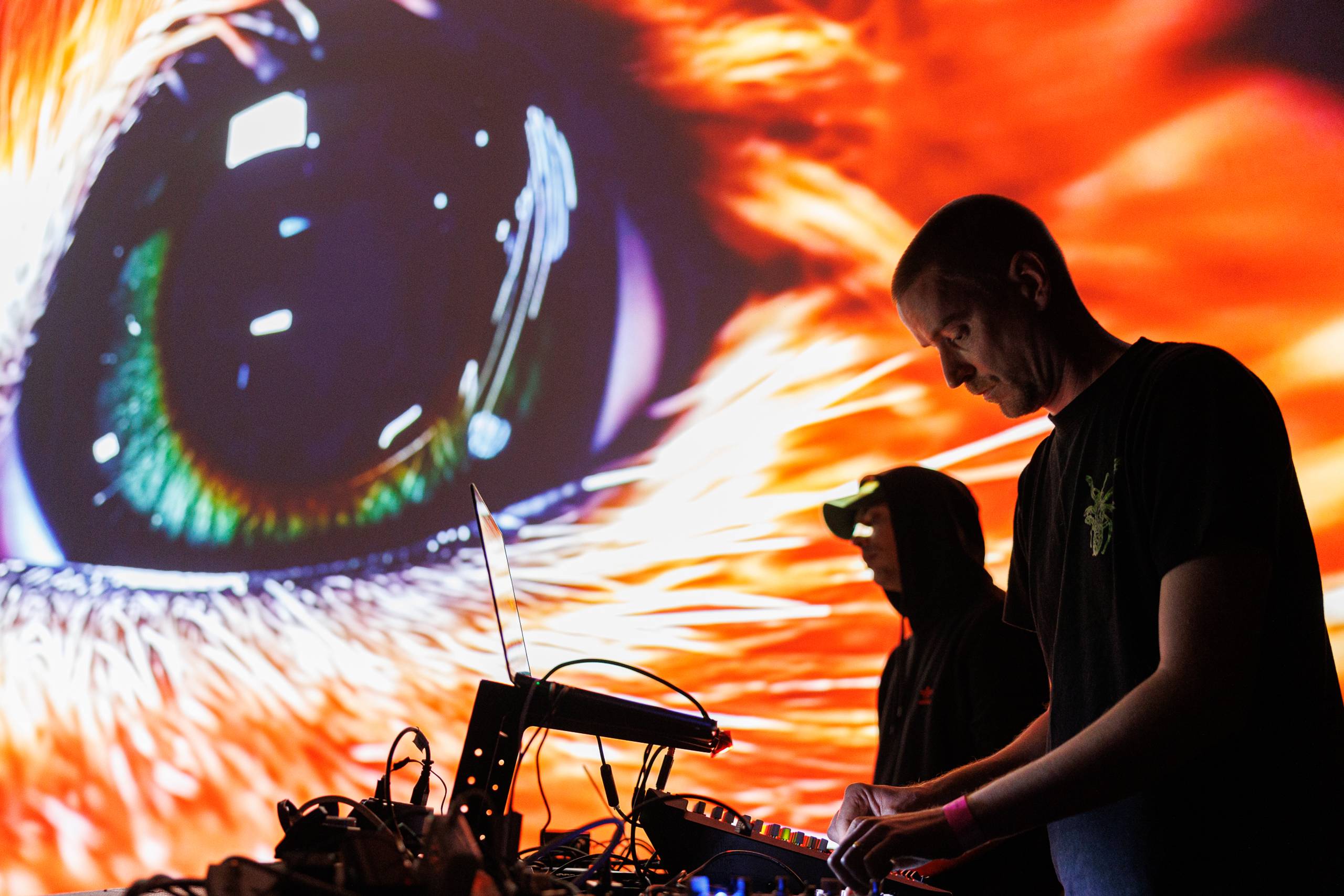
Tectonic celebrated its 20th anniversary this year. Reflecting on this milestone, what has been the most rewarding aspect of running the label, and what has been the biggest challenge?
Pinch: Having some time to focus on the 20th anniversary has brought a great opportunity for me to really reflect about a lot of things that have happened, in a way I needed to do. You get into cycles of putting out releases, and prepping the next while one is going out, so there’s not a lot of time to look back over it all. I've really enjoyed digging through the catalog again and bringing older tracks into my DJ sets that I've not played in many years – but I also feel like they sit very naturally among today’s tracks, despite some of them being a decade apart.
Tectonic is very much a family affair: My wife Lizzy plays a huge part in keeping things running smoothly. I really appreciate her, and all the time and energy that she's given to Tectonic over the years. I’m proud that we're able to make everything work between us, and for how great she is at keeping things moving.
Perhaps the biggest challenge with doing something born from a passion project, like running an underground label, is keeping the passion itself going in a healthy way. Finding ways to nurture it. Seeing how positively people have responded to the 20-year celebrations and what Tectonic has meant to them has been encouraging for me, and definitely helps keep the passion alive.
Tectonic has been a crucial archive of the dubstep scene's evolution. How did you curate and select the six-part vinyl compilation for the anniversary compilation?
Pinch: I wanted to bring together key figures from the label's history alongside producers who I feel connect deeply with the label's sonic – but who hadn’t released on Tectonic before. Kind of like a different generation all together vibe! I tend to focus on working with artists that I have some kind of direct connection with. People who I've met and respect, whose work I believe in.
How important is the visual identity to the label's ethos, and what is the creative process behind it?
Pinch: It is always an important factor – artwork is the first opportunity to communicate what a release might sound like to someone, or what kind of principles it might stand for. Since 2013, I've worked almost exclusively with Alex Digard (AKA Tape Echo) for Tectonic artwork. I've always liked his style, attention to detail and texture, and we communicate well together. I trust him.
We're seeing a renewed interest in the deeper, more meditative side of dubstep. Why do you think this sound is resonating with a new generation of listeners and producers?
Pinch: It's great to see this happening and I find it really encouraging. I think there was always a really interesting and engaging energy in the deeper and more old-school UK dubstep sounds. When dubstep blew up around the globe, people didn't associate that side of it with the name 'dubstep'. It was very much sidelined as a big, brash, more EDM-driven sound became the main event and what most people around the world came to think of by the name 'dubstep'. That sound eventually fell out of favour and it has left space for a deeper sound to come through, one that's more true to the original intentions of dubstep.
Tectonic has always championed a "less is more" approach with its release schedule. In an era of constant digital content, why is this curated, quality-over-quantity philosophy more important than ever?
Pinch: There's just so much music being put out into the ether these days that it can be totally overwhelming. There's a responsibility for labels to act as good filters, and to make statements with the music being released. To put energy behind each release rather than just chucking it all out there and seeing what sticks. We only have so much capacity to release music on Tectonic anyway – that partly drives us to make sure that everything we put out is really worth it.
How do you navigate the modern necessity of social media as an artist? Do you see it as a valuable tool for connection, a necessary evil, or something else entirely?
Pinch: It's no secret that I'm not a fan of social media. I think the way it gets organized by these huge companies is a catalyst for so much that is going wrong in society at the moment. I try to engage with it as little as possible – taking the opportunity to communicate information about my projects, label, and gig dates to the people who are interested in receiving it. I don't use it for much else to be honest. It's a bit like processed, sugary food; it won't feed you what you need, while tricking your brain into wanting more of it.
We're seeing AI being used in music creation. As someone who values sonic experimentation and human curation, what are your thoughts on the role of AI in electronic music's future?
Pinch: I think it all depends on how it's used. If you want to write a prompt that creates a track and then try and own the creativity of that output, that's delusional and kind of sad. If you use AI to create new sounds that you manipulate or to translate certain ideas and sounds into instruments you couldn't otherwise play, then that's a potentially good way to use it. I really don't like the way Spotify and other streamers are leaning into AI-generated songs as a way to water down playlists with junk music, and ultimately reduce payments that they have to make to the real artists.
We're seeing a renewed interest in the deeper, more meditative side of dubstep. Why do you think this sound is resonating with a new generation of listeners and producers?
Pinch: It's great to see this happening and I find it really encouraging. I think there was always a really interesting and engaging energy in the deeper and more old-school UK dubstep sounds. When dubstep blew up around the globe, people didn't associate that side of it with the name 'dubstep'. It was very much sidelined as a big, brash, more EDM-driven sound became the main event and what most people around the world came to think of by the name 'dubstep'. That sound eventually fell out of favour and it has left space for a deeper sound to come through, one that's more true to the original intentions of dubstep.
Tectonic has always championed a "less is more" approach with its release schedule. In an era of constant digital content, why is this curated, quality-over-quantity philosophy more important than ever?
Pinch: There's just so much music being put out into the ether these days that it can be totally overwhelming. There's a responsibility for labels to act as good filters, and to make statements with the music being released. To put energy behind each release rather than just chucking it all out there and seeing what sticks. We only have so much capacity to release music on Tectonic anyway – that partly drives us to make sure that everything we put out is really worth it.
How do you navigate the modern necessity of social media as an artist? Do you see it as a valuable tool for connection, a necessary evil, or something else entirely?
Pinch: It's no secret that I'm not a fan of social media. I think the way it gets organized by these huge companies is a catalyst for so much that is going wrong in society at the moment. I try to engage with it as little as possible – taking the opportunity to communicate information about my projects, label, and gig dates to the people who are interested in receiving it. I don't use it for much else to be honest. It's a bit like processed, sugary food; it won't feed you what you need, while tricking your brain into wanting more of it.
We're seeing AI being used in music creation. As someone who values sonic experimentation and human curation, what are your thoughts on the role of AI in electronic music's future?
Pinch: I think it all depends on how it's used. If you want to write a prompt that creates a track and then try and own the creativity of that output, that's delusional and kind of sad. If you use AI to create new sounds that you manipulate or to translate certain ideas and sounds into instruments you couldn't otherwise play, then that's a potentially good way to use it. I really don't like the way Spotify and other streamers are leaning into AI-generated songs as a way to water down playlists with junk music, and ultimately reduce payments that they have to make to the real artists.