Label Feature: Black Rave Culture
“It’s a statement,” says D.C. collective Black Rave Culture. “Dance music started with black people, and we’re here to continue to push that lineage. Anyone who resonates with it is a part of the movement.”
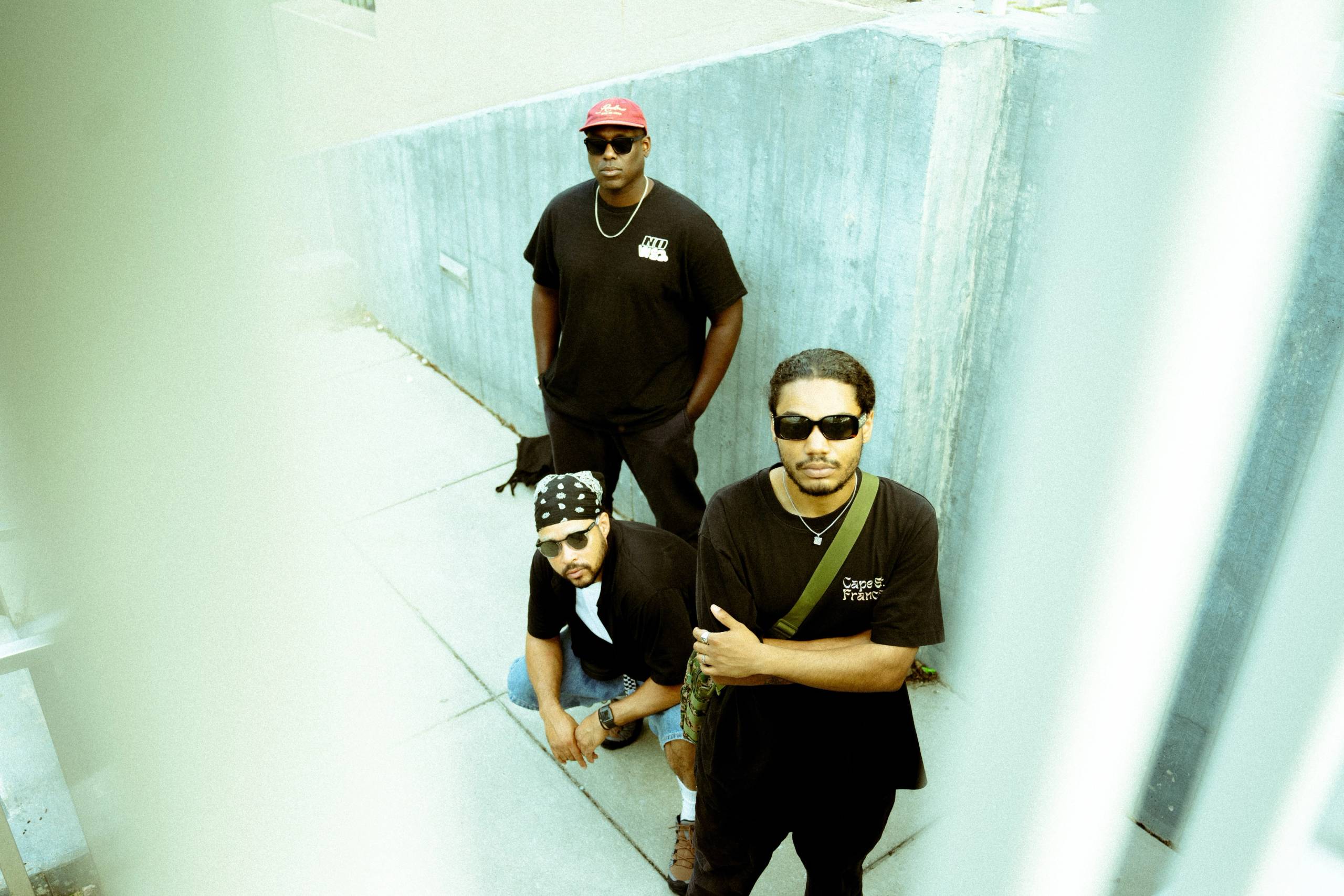
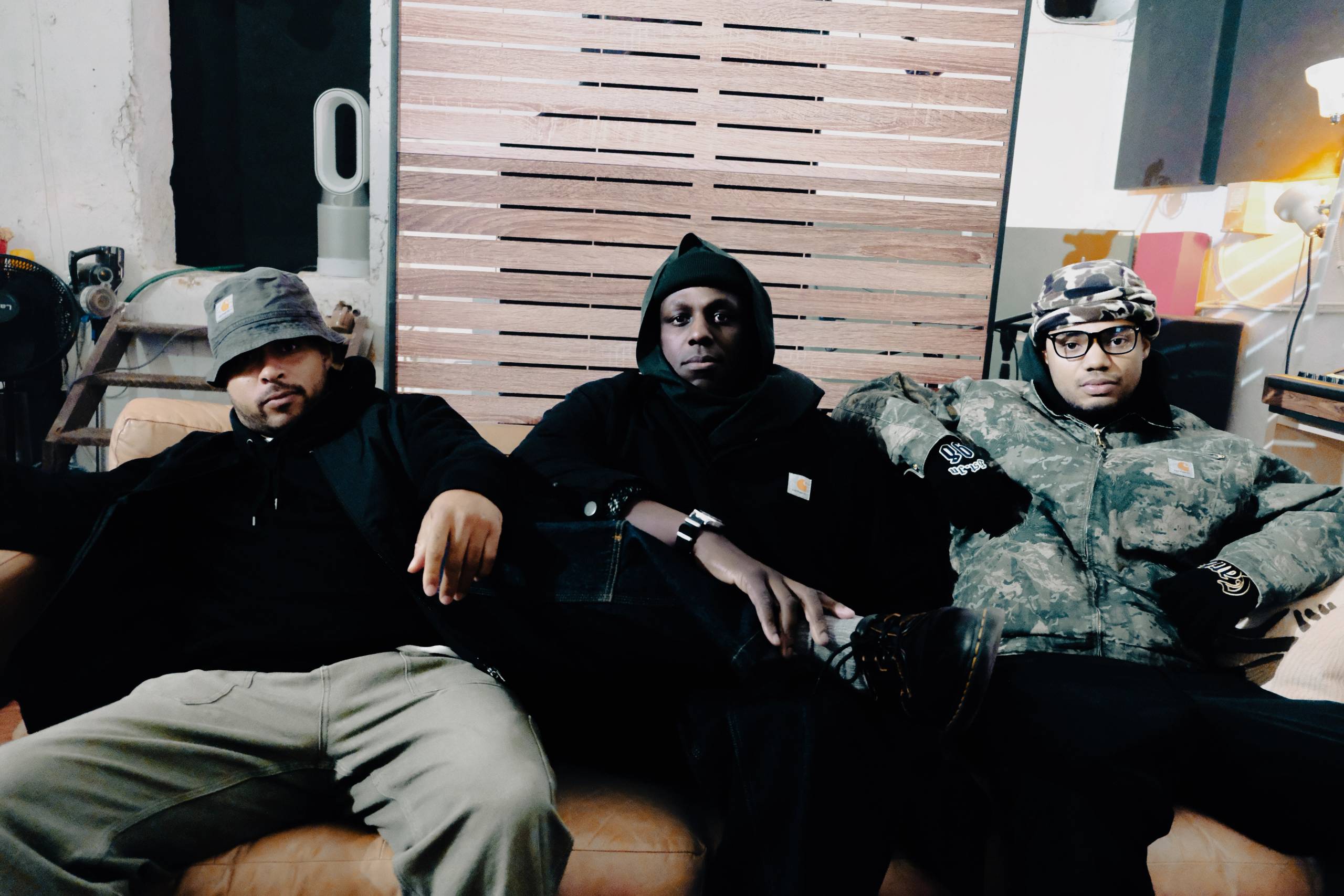
Composed of James Bangura, Nativesun and Amal, Black Rave Culture first connected in 2020 at the height of the global pandemic, as swathes of Black Lives Matter protests swept across America, and further afield. During this time, the trio began making music together as a way of processing grief and navigating the world around them. From these sessions, Black Rave Culture officially formed with a broader mission: To reclaim and celebrate the Black origins of electronic dance music.
In 2021, the collective released their debut album Black Rave Culture on New York Label Haus of Altr. Across 10 tracks, the trio fused sounds from Detroit, NYC, Jersey, and Baltimore with UK-bass and sound system influences, honoring the roots of dance music while pushing things forward.
Over the course of five years, Black Rave Culture have released two more full-length albums, as well as a remix album, and embarked on their first transatlantic tour, performing in the Netherlands, UK, and Germany.
For this month’s episode, the trio have created an exclusive mix that channels their signature East Coast influences while also incorporating rhythms from Africa and Latin America. Accompanying the mix is an interview, where the trio reflect on how D.C.’s challenging scene fuels creativity, their approach to sampling as a storytelling tool, and why performing together is like playing musical chairs.
How did Black Rave Culture come together as a trio, and what initially connected you musically?
BRC: We came together during the pandemic, specifically during the time of the George Floyd protests. For us, making music together was a way of coping with adversity and state of the world at that time. We would spend afternoons and evenings at each other’s houses just throwing paint at the wall on Ableton. It was more of way of grieving, mourning and healing than anything else. The studio is a safe space for us, and we all lean on each other as a support system. The obvious answer would be dance music connected us, all having different backgrounds, we met in the middle with Black Dance music.
What were each of your individual journeys in music before forming Black Rave Culture?
Amal: I grew up playing percussion and drums. My mum is west African, so I grew up playing a lot of Djembe. While my dad was into a lot of punk, reggae and Ska. Which lead me into wanting to become a drummer. A coworker at my summer job gave me a demo version of Fl studio, when I was 14 and at that point production became my life. I spent the rest of my teen years, producing and engineering at various studios in the DMV. Producing for my friends in the underground Soundcloud scene (Wifigawd, THE KHAN, NAPPY NAPPA), which eventually lead me to Djing for them at shows. I didn’t find electronic music until later in life once I saw Acemo and Moma Ready play in DC circa 2019 - 2020.
When you first started collaborating, did you have a clear vision of the sound you wanted to create, or did it develop naturally?
BRC: Our sound developed naturally. We don’t go into the studio with any sort of expectation, and just bounce off each other’s ideas and energy. It’s a very similar approach to our live performance.
What mission or purpose drives Black Rave Culture as a project?
BRC: To educate first and foremost. The name speaks for itself in that regard. It’s a statement, dance music started with black people, and we’re here to continue to push that lineage. This is black music, no matter the genre or medium. Anyone who resonates with it, is a part of the movement, if you ask us!
How does your workflow look when all three of you are producing together?
BRC: It’s like musical chairs. Just like our performances, we switch constantly rotate between the three of us to keep the ideas fresh. We don’t spend too much time on one idea, and we revisit the tracks with fresh ears later to refine them. Recently, we’ve been testing a lot of our demos during our sets for feedback.
How do you approach sampling - especially when drawing from Black musical archives?
BRC: We tend to sample with intention, for example one of our most recent releases “Whoo Lawd” is an ode to the late singer from a pivotal gogo band called XIB. It was our way of paying homage to our own culture and continuing to keep it alive in new spaces. Our goal is to use sampling as a way of storytelling and showing how all of these diasporic sounds fit together in different contexts.
What tools, software, or hardware are integral to your sound?
BRC: The laptop! We do the majority of our work in the box. The goal is to experiment with hardware in the near future!
What has been the most surprising track to emerge from your collaborative process?
BRC: Honestly, this is a hard question. All of the tracks we’ve made have sort of been surprises in their own right. There’s never a time when we’re like, let’s make a specific type of track.
How has your local environment - particularly Washington, D.C. and its scenes - influenced your evolution?
BRC: DC is a tough city for a creative. We’re all one small family at the end of the day with very little resources for artists. In turn I think it conditions you to think outside of box. You have to make something so undeniably good to make a name for yourself here because it is a TOUGH CROWD. But that’s what makes this place so unique. There’s so much musical history here between punk, jazz, hip hop, Moombathon sound system culture and gogo all packed together that brews a punk DIY approach to music. So many cultures mashed up into a small district, living together you grow to be fairly open minded musically. We aren’t a major market city, or a major tour stop for most but that keeps a chip on our shoulder that we carry with us. It conditions you to constantly push the envelope and never let go of the gas. DC keeps us humble; it keeps us grounded and connected with reality. We wouldn’t trade it for anything.
It’s really about representation at the end of the day. A lot of black artists voices are completely overlooked in the industry.
How do you see Black Rave Culture contributing to the broader narrative of Black artists in electronic music?
BRC: It’s really about representation at the end of the day. A lot of black artists voices are completely overlooked in the industry. Educating and bringing awareness to other artists by sharing our perspectives through our sound is key. For all Black artists, we all speak the same language.
What elements of Black musical heritage are you consciously drawing from in your work?
BRC: The Rhythm and the Funk for sure. Be it leaning into polyrhythms or the usage of vocals. Anything that keeps to feel energetic and hype.
What was each of your paths into DJing, and how did those early experiences shape who you are today?
James Bangura: My path to DJing started in California in my college years and those experiences from that time made me really appreciate “the party” and making the crowd feel like they’re a part of something.
Nativesun: My dad was a DJ and music collector so it really was a natural thing for me. I also played in a local go2go band which is a very rare DC kinda sound which still to this day you can hear a lot in my music.
What differentiates a Black Rave Culture DJ set from your individual sets?
Amal: I feel like a BRC set your gonna hear a wide range of our personal desires. Definitely way more creative as a collective. There have been time where we’ve mixed Bouyon into some of the hardest techno and was received very well. Sometimes individually we are put into boxes and are expected to DJ a certain which can kill a little bit of our creativity.
How do you see the current state of electronic music, especially in the U.S.?
Amal: It’s definitely growing. Is all of it objectively good, likely not. However, within the noise small interesting pockets are developing all over the world. Especially in the states and that’s exciting.
How do you feel about the trend of mainstreaming underground genres like house, jungle, and footwork?
Amal: I could really come at it from the vantage point of being precious and saying that I dislike the mainstreaming of these genres that are inherently underground, but this is also opens up the aperture to casual listeners who wouldn’t go out on their own to look for the music, which is also really cool.
How do you envision Black Rave Culture evolving over the next few years?
BRC: We’ve talked about this as of late and we envision “Black Rave Culture” becoming a platform versus just a group. This would enable us to travel and showcase black and brown talent across the world and really connect with communities.
How do you stay connected to community - locally or globally - through your art?
BRC: We are strong believers in PULLING UP lol when we are in other cities we go to homies shows, radio, studio sessions, house parties and even just normal shit like grabbing food. We are very IRL kinda dudes. We feel like it’s more real and felt. Supporting and having real relationships with other creatives is important.
What’s one small daily habit or practice that helps you stay grounded and focused?
Amal: Make time for yourself in the morning and meditate, come into the day slowly.
If you could change one thing in the world today, what would it be and what impact do you hope it would have?
Amal: I’d dismantle all big tech conglomerates and open source everything. I’d hope this would be an equalizer.